When markets tighten, firms may instinctively look outward chasing new work, cutting costs, and hoping for the best. Multi-disciplinary consultancy Patersons chose a different path. It turned inward, reimagined its foundations, and emerged stronger, more unified, and resilient.
Today, as the people-first, South Island land development firm celebrates 125 years and seven thriving offices, its successful transformation grounded in long-held values provides an inspirational example for consultancies navigating uncertain times.
We spoke with CEO Korina Foot about the transformation, the role of culture and storytelling, and why the company prioritises staying true to its values.
A market under pressure
The past few years have been some of the toughest in decades for New Zealand and global businesses as they navigated economic and political uncertainty, global instability, rising costs and a slowdown in work. This created a climate where agility and efficiency were no longer optional – they were essential.
Prior to 2023, Patersons’ seven offices operated as five separate entities, sharing a name but not a unified strategy. Resources were fragmented, systems inconsistent, and collaboration limited. In a tightening market and needing to leverage its services, this fragmentation severely restricted its ability to be agile. Recognising that long-term success demanded more than incremental change, Patersons underwent a bold, structural shift to strengthen its core and position the firm for long-term growth.
A unified vision
In early 2023, Patersons made a deliberate move merging five regional practices into a single entity, creating a firm with shared systems, standards, and a stronger collective sense of responsibility. This was more than an operational adjustment; it was a cultural reset with a clear goal of building a business that could move quickly for clients while delivering consistent, high-quality services.
But merging offices was only the beginning. The real transformation began in mid-2023 when Korina Foot was brought in as CEO to lead this next chapter in the company’s extensive history. With a background in law, operations, and human resources, she understood the importance of connecting people when going through change. “We’ve done well over the last 125 years because of our values and strong relationships with our clients. The operational systems were due for a refresh as the seven offices had all evolved differently because they’d been operating separately. When I arrived, I was in awe of their success, but it was because of their fantastic values – they look after and are close to their clients, and they deliver good work. I was excited by the opportunity of what we could create off such a trusted foundation.”
People-centred transformation
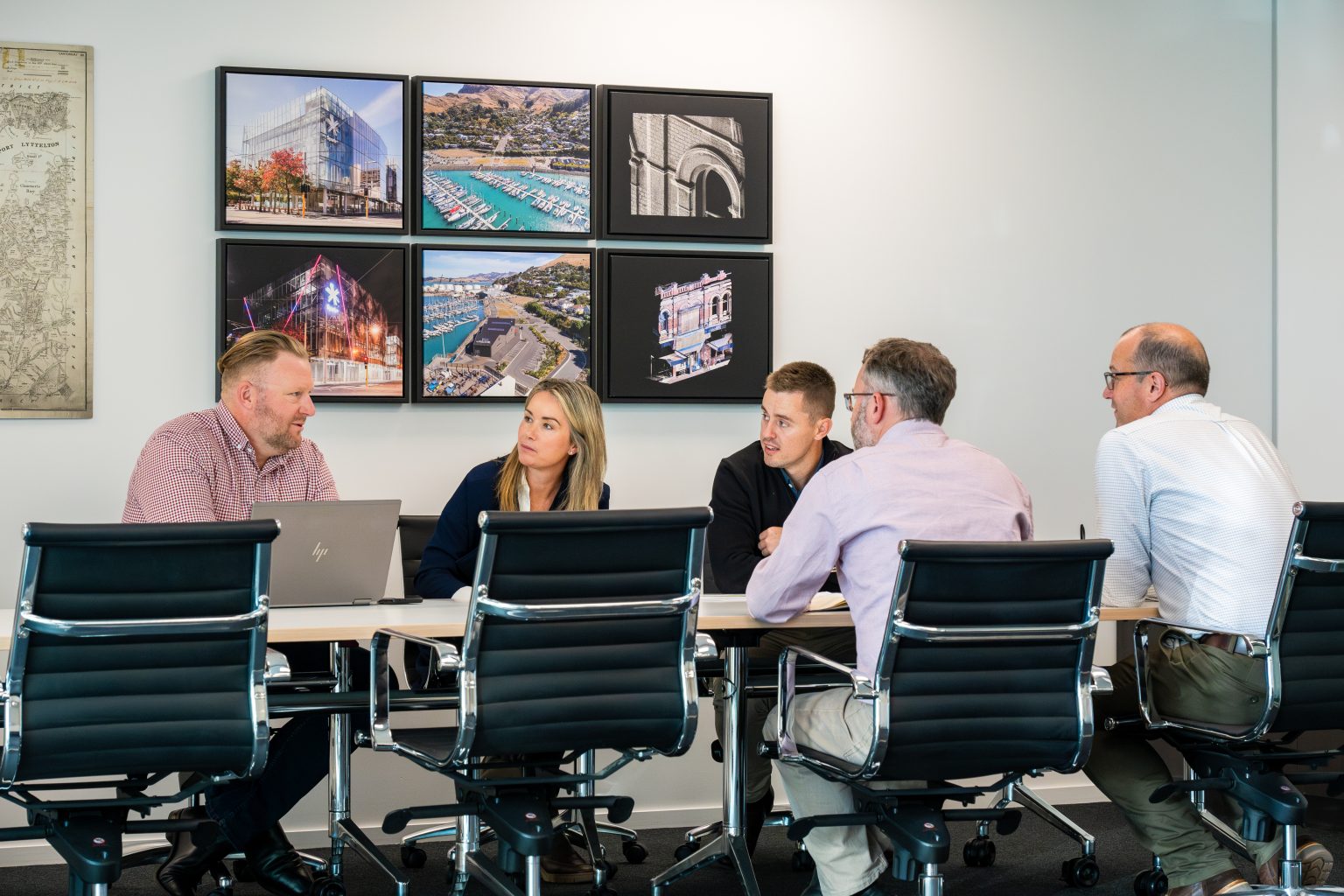
Korina’s approach was strategic and human-centred. Aware that systems and processes matter, but that success is primarily grounded in culture, she hired dedicated HR and IT staff within three months, recognising these areas as requiring the greatest in-house support. From office furniture to digital platforms, upgrading equipment, vehicles, reporting systems, reviews and policies, training managers and teaching new technology, and a brand refresh, everything was reimagined to foster connection and collaboration.
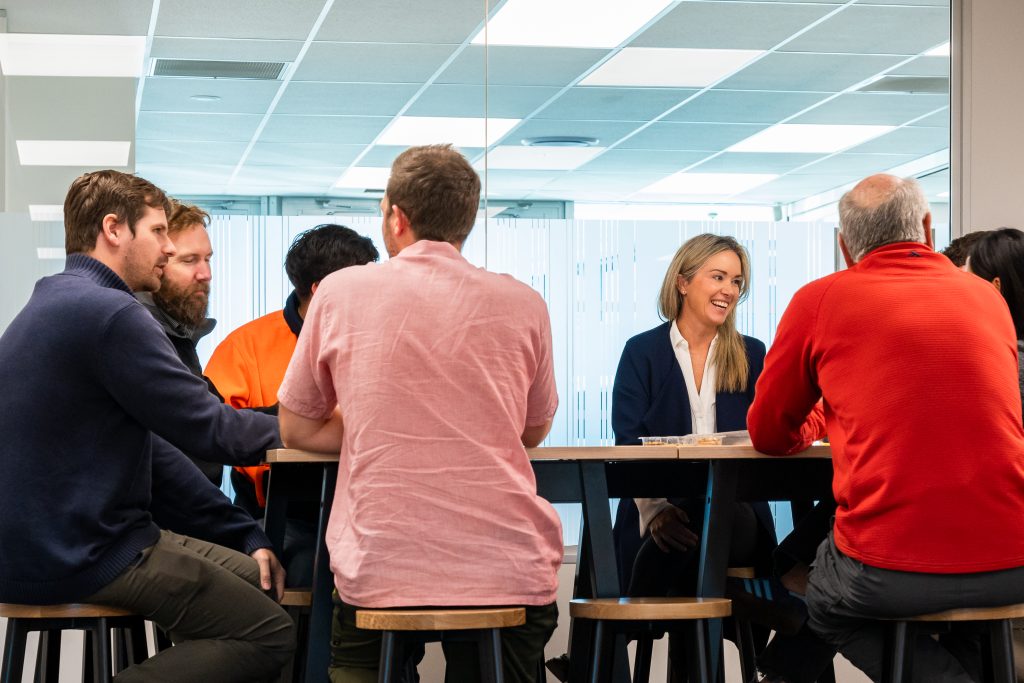
Storytelling was a key aspect of managing the transformation, and Korina invested time in acknowledging the challenging nature of change but highlighting the reasons for it and how staff would ultimately benefit. She also recognised she needed “water-cooler champions” – people who would jump in and reassure staff of what was happening when things started to get a little worrying. “Change can be tough for people, so it was important to provide tangible benefits directly to the employees where possible, such as additional parental leave, EAP support and paid volunteer days. When you’re working with a very technical group of people, you’re acutely aware that they’re not going to buy into fluffy sales pitches. They value a clear plan and consistent communication, and that’s what we focused on providing.”
A leadership programme identifying a dozen key people in the business was also implemented, and this core group has been valuable advocates of the change management programme and a critical peer-to-peer technical link.
And this approach is paying off with the company’s leadership strongly endorsed in its first employee engagement survey last year. A recent pulse survey also showed significant improvement in the firm’s workplace culture. “When you’re leading through change, you’re often in the arena. And if you step in, you have to be willing to take a few blows. But we believed in our vision. We had a fantastic team, and I’m really proud to see them out the other side enjoying the benefits of our collective hard work.”
Growth against the odds
While many firms have struggled to maintain momentum in recent years, Patersons’ has quietly bucked the trend following its decision to strengthen its core during a challenging period. “There were many quick wins along the way, such as productivity gains simply by being on efficient systems, having visibility, and reporting on productivity. We could see if someone wasn’t at capacity and feed work across offices. This also helped us recruit. We completed formal organisational capacity and capability planning, recognised skill and capacity gaps, worked with managers, and started hiring strategically.
“Within about 18 months our engineering team grew from one person to 13, but we couldn’t have hired them if we hadn’t done the operational change first. We’re now a good fit for engineering candidates of all experience levels, with a significant pipeline of varied work available to them.”
Korina acknowledges that there’s an element of luck in business, such as the timing of the company’s operational change. “But our increasing success and performance allowed us to take a few risks. We made the decision to hire good candidates knowing we would secure the work. We also doubled down on investment, recognising that staff always want to use good IT and equipment. And yet we continued to achieve growth because, at the same time as we were investing, we were gaining efficiencies, which offset our additional opex and capex investments.”
Landmark projects in Central Otago
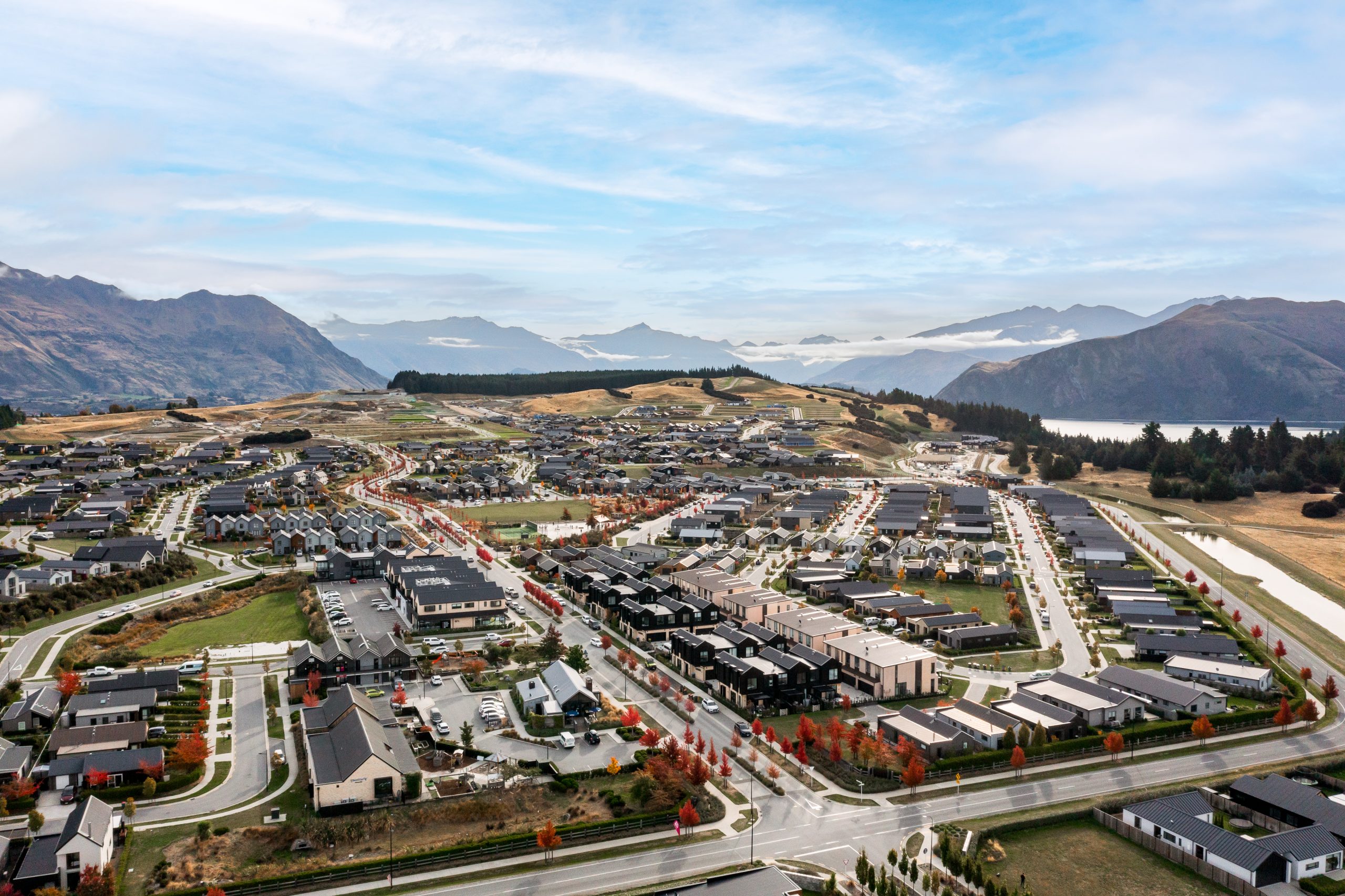
Patersons’ resilience isn’t just evident in its internal transformation – it’s visible on the ground in Central Otago, which, unlike much of the country, hasn’t experienced a slow-down in work. The firm’s decades-long presence in Queenstown and established connections mean work has continued to flow in, and with three offices now servicing the region, its ability to meet demand is strong. Sharing capability across other offices means additional support is now available if needed. “We’re very big on being local. Our clients like to know we live in their region; we know what they’re doing, and they can pop in and see us or call us. It sounds a bit old school but it’s a critical part of our strategy.”
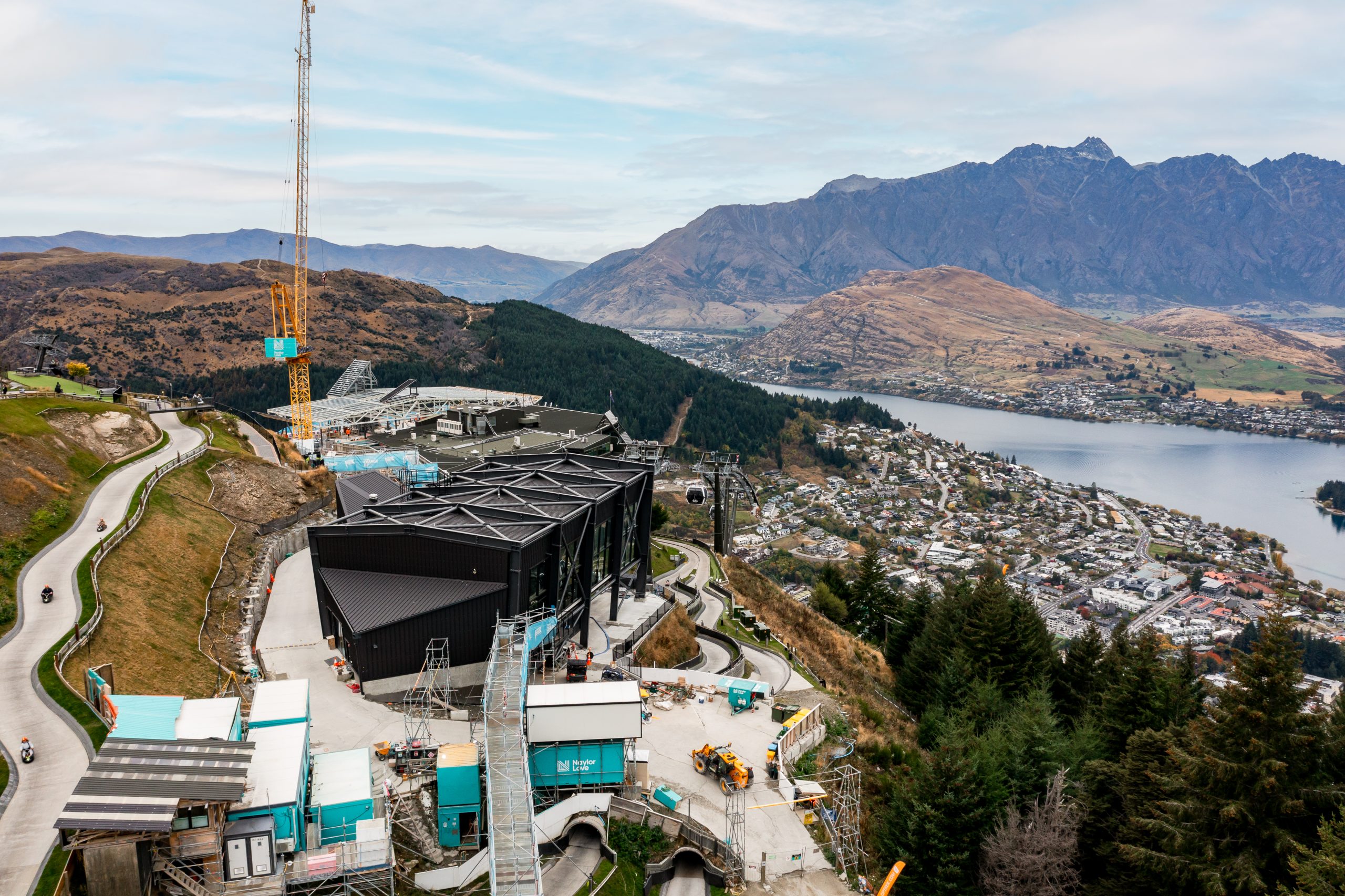
Four landmark Central Otago projects showcase how Patersons’ increased resilience has strengthened its ability to service different markets. Northlake in Wānaka, Ayrburn in Arrowtown and Wooing Tree in Cromwell highlight the value of its deep local insight and regional reach, and ongoing work on Skyline in Queenstown is another nod to its innovative spirit with its luge track designs applied beyond New Zealand to global sites.

Staying true to values
Throughout this journey, Patersons has never lost sight of its core values with every initiative measured against them. “We’re in a spot now where there are not many projects that we can’t do, which is exciting. But I talk often about our values being our anchor. The biggest challenge for us is how to keep growing on this fantastic journey and make sure we’re still meeting our values piece with everything that we’re doing.
“It’s very easy to get lost in the performance side so we ask what good stuff did we do this month that wasn’t just revenue. Did we give back to our staff? Did we sponsor something in the community? What were those feel-good moments? We’ve just started a three-year sponsorship with a Ronald McDonald house in Christchurch because we now have an economy of scale allowing us to do this, and our staff are so supportive of it. They can feel proud that they work somewhere that’s giving back to causes they care about.”
The road ahead
Today, Patersons is thriving. Its evolution from a collection of regional offices to a cohesive, future-ready consultancy is a testament to strategic governance, bold leadership, thoughtful integration, and a clear focus on culture.
For businesses wondering how to respond and succeed when conditions are tough, Patersons offers a compelling answer – start with your people, strengthen your core, and let your values lead the way.
- Read more about Patersons.