At Futurepace 2026 we’ll explore an important question: What does great leadership look like and why is authenticity one of the most powerful tools leaders possess?
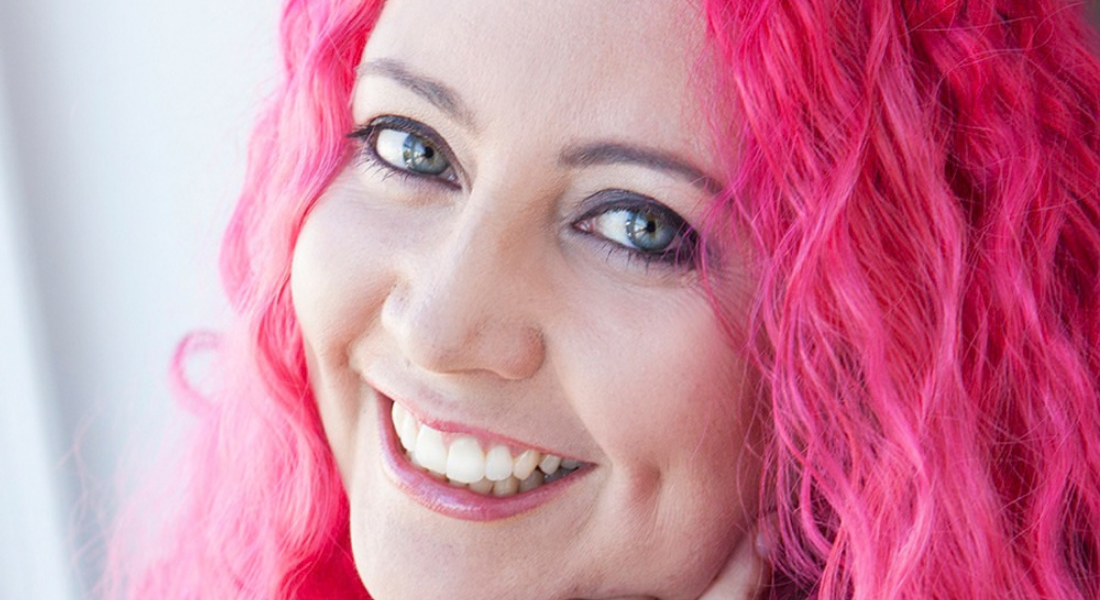
This thought-provoking session will be delivered by Dr Siouxsie Wiles, one of New Zealand’s most recognised scientists who became a household name during the COVID-19 pandemic for her communication and education. She was then named the supreme winner of the 2020 Stuff-Westpac Women of Influence Awards and the 2021 Kiwibank New Zealander of the Year.
We talk to Siouxsie about how to show up as ourselves and communicate confidently while leading others through change and complexity.
At Futurespace you’ll explore how to find your voice and influence as an authentic leader. Why is authenticity such a powerful tool?
To me, authenticity is about being comfortable in your own skin and showing people who you are and what you value. It comes naturally to me; I’m not ashamed of who I am or what I care about. I honestly can’t imagine being any other way!
When people understand what you value and can see that you’re genuine, it adds important context to the decisions people see you make and can give them more confidence in you and your decisions.
Authenticity can also feel risky. How do you communicate with confidence while maintaining credibility?
That’s a tough question! Authenticity often feels risky because social norms and conscious and unconscious bias shape how we see different people and their roles. Many people hide their authentic selves to fit into these norms, which further embeds the norms and biases.
So many times I’ve been told I can’t possibly be a credible scientist because of my pink hair! But why not? Why can’t scientists have colourful hair? I think we need to remember that when someone is pushing back against us being our authentic selves, it says more about them and their biases than it says about us. The more we push back on these biases, the better.
You’re well known for making complex data meaningful and accessible without oversimplifying it. How do you do this?
It’s taken a lot of practice! I first turned my hand to science communication about 20 years ago. It happened pretty much by accident. I was based in the UK at the time and won a prestigious prize for my research. As a result, the organisation behind the prize organised for me to go into schools and start talking about my work. From them I came to understand the importance, as someone supported by the taxpayer, of being open and transparent about the work that I was doing.
I recognised that science communication was a skill I’d have to work at, so I started trying different ways to communicate with different audiences. By the time the pandemic arrived, I’d become really experienced at communicating all sorts of complex data via the media and social media, and by working with artists and illustrators.
What’s one practical thing we’ll take away from your session?
I’m going to introduce people to the “message box” – a great way to think about what you want to communicate and to help you tailor your message to your audience.
Futurespace 2026 – lead with impact, partner with purpose, deliver with confidence
4-5 NOVEMBER 2026 // Auckland
Futurespace 2026 brings together business leaders, clients, industry experts and your peers to explore the capabilities that matter as your leadership responsibilities grow.
Register now for Futurespace 2026
