Complex projects often start to struggle in small ways before bigger problems arise. People share less information. Difficult issues surface too late. Informal influence begins to shape decisions outside the formal project structure. Under pressure, teams can become defensive.
The contract still matters. Clear scope, risk allocation, commercial settings, and decision rights all provide the project’s structure. But once delivery is underway, the contract cannot manage every conversation, assumption or judgment call.
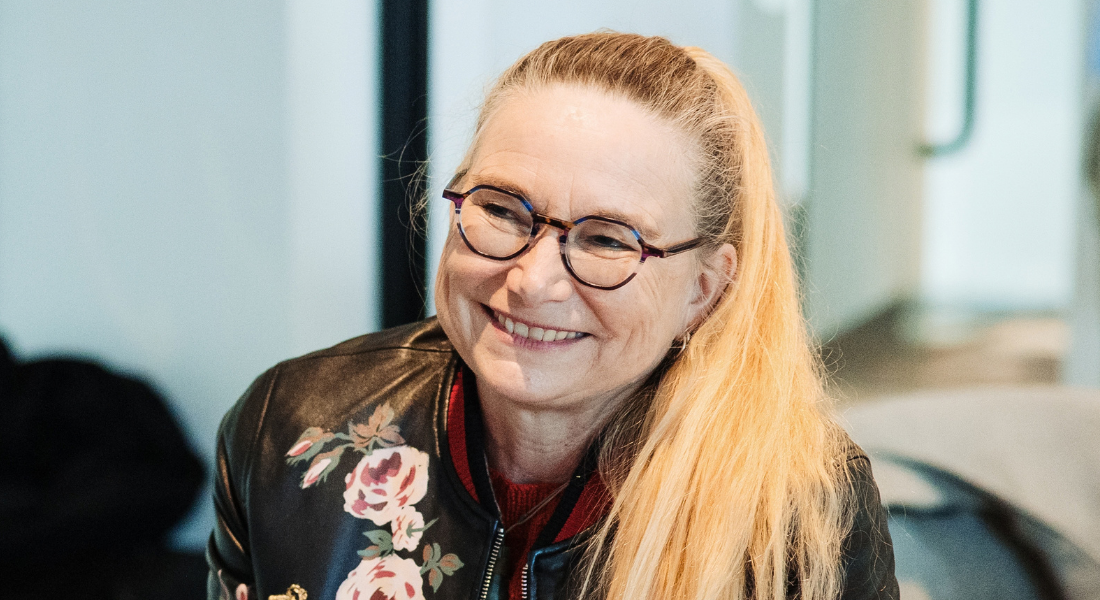
Tonkin + Taylor Executive Adviser Simonne Eldridge shares the areas of project governance that need more attention for collaboration to be effective.
The contract is rarely the differentiator. People are.
In engineering and environmental consulting, projects bring together clients, delivery partners, regulators, communities, mana whenua, technical specialists and internal governance groups. Each has legitimate interests in the same project, but they are human.
Good governance needs to recognise this reality. It must make the formal system work while accounting for the human system around it, including trust, incentives, influence, pressure, bias, and people’s willingness to raise difficult issues early. The contract should be the safety net, not the operating system.
Across projects in Aotearoa New Zealand, Australia, Asia, the Middle East and the United Kingdom, I have seen collaborative outcomes emerge under contracts that were never designed as alliances. I have also seen collaborative delivery models lose their way once trust eroded.
Delivery models create the conditions for collaboration, but leaders must make it real. This begins with a better understanding of where collaborative risk builds.
Three places where collaboration starts to fail
Most project leaders recognise the visible signs of strain. Meetings become more guarded. Information slows down. Small issues take longer to resolve. People become careful about what they say, who they say it to, and how much they put in writing.
The risk is rarely one-dimensional. It usually builds in three connected places:
Escalation risk
Many projects look manageable until they suddenly aren’t. A technical issue, commercial pressure, a scope change, or a delay may be the trigger. The real damage comes from how people respond.
When trust is strong, teams can raise problems early, test options quickly, and make decisions before positions harden. When trust is weak, the same issue takes a different path. This is where human and organisational risk amplify project risk. The original issue may be technical, legal or commercial. The rate of escalation is behavioural.
Alignment risk
In many disputes, the surface argument isn’t the real disagreement. For example, teams debate scope, programme sequencing and design assumptions, but underneath the team may discover they were never aligned on why the project exists or what success actually looks like.
This is when consideration of Purpose – Destination – Plan applies. In my experience, it is useful because it slows the conversation and helps people stop and think, and find a way forward:
- Purpose asks why the project exists;
- Destination asks what success looks like in practical terms;
- Plan asks how delivery will happen.
If the real disagreement sits at the purpose or destination level, arguing harder about the plan will not fix it. The team needs to first name the deeper misalignment before it can address the real issue.
System risk
The formal structure is never the whole system. People who are not named in the contract can still carry real influence, such as senior leaders, funders, elected members, regulators, adjacent agencies, iwi partners, community voices, operational teams, technical reviewers or legacy relationships from earlier projects. Sometimes their influence is constructive, but it may also create mixed messages.
The problem for project leaders is that these influences are often invisible in the formal governance map. They sit outside the contract but still shape behaviour inside the project. This is where the “shadow system” matters:
“Many project problems are shadow-system effects wearing a delivery mask“.
Leaders need to look beyond the immediate tension and understand the structures, incentives, and relationships that drive behaviour. Once these influences are visible, leaders can decide whether they need clearer escalation routes, better stakeholder mapping, different decision-making forums, stronger sponsorship, or a more explicit agreement on who has decision-making authority.
The moments that matter most
Projects do not create or lose value evenly across their lives. Some moments carry more weight, such as the first dispute, a critical design decision, an unresolved safety concern, a difficult conversation with a client, or the first time a team decides whether to surface bad news early. These moments can set the tone for everything that follows.
This is where project leaders need judgment. Good governance is about knowing which moments deserve more attention because of their influence on trust, cost, pace and future behaviour.
When something doesn’t make sense, and people’s reactions are disproportionate to the issue, this is often a red flag of an underlying residual impact of one of those inflection points. This is when it can be important to look back and resolve the foundational issue before continuing on the project journey.
Where leaders have agency
When collaboration strains, people often focus on what is outside their control. For example, another organisation’s behaviour, contractual positions, past decisions, procurement settings, regulatory constraints or wider politics.
Those factors may be real, but they may also be immovable, at least in the short term. The more useful leadership question is: Where do we still have agency?
The self – others – situation framing helps here:
- Self asks what you can adjust in your own behaviour, assumptions or response under pressure;
- Others asks how you can engage differently with the people around you;
- Situation asks what parts of the context can realistically be influenced, clarified or redesigned.
This is a practical discipline. It moves the team away from frustration and towards action. It also helps leaders avoid one of the most common traps in strained projects – spending too much energy on the parts of the system they cannot change, while underusing the influence they still have.
What this means for project governance
For project leaders, the message is to design governance for the behaviours the project needs:
- If early warning matters, create forums where early warning is expected and safe;
- If collaboration matters, align incentives and decision rights so people are not punished for acting collaboratively;
- If trust matters, invest in the relationships before the project is under pressure;
- If informal influence matters, map it early rather than discovering it during escalation.
This applies across contracts, alliances, panels, advisory commissions and major infrastructure programmes. The delivery model matters, but it will never remove the need for leadership, judgement and deliberate behaviour.
Human risk also increases under pressure. People jump to conclusions, take issues personally, catastrophise, defend their position and so on. Governance should help teams recognise those patterns before they become the project culture.
For engineering and environmental consultancies, this sits directly alongside technical excellence. Collaboration becomes how a project team uses the knowledge already in the room. It affects the quality of advice, the speed of decision-making, the management of risk, and the ability to maintain confidence with clients, partners and communities.
Three questions to ask before the next project meeting
Before your next project meeting, ask:
- Where is trust most likely to erode first?
- Who holds influence outside the formal structure?
- Where does your team actually have the agency to act?
Getting honest answers early gives collaboration a practical footing and helps leaders keep the project focused on the outcome it exists to deliver. Good project governance, therefore, follows an old truth:
He aha te mea nui o te ao? He tāngata, he tāngata, he tāngata.
What is the most important thing in the world? It is people, it is people, it is people.
Acknowledgements
A note from Simonne: “This article reflects thinking developed through discussions with Vickie Dalton, Nick Palmer, David Thompson and Peta Brown, whose insights have quietly shaped the perspectives presented. Any errors or misinterpretations are my own.”