In the eye of the storm? Six strategies to get through it from a consulting chief executive

If it feels like you’re scraping the bottom of the barrel, you’re not alone. Business leaders in Aotearoa have reported having to restructure, make redundancies, reduce staff hours or cut other operating costs due to a slowdown in infrastructure work*.
Switching from survival mode to sales mode? Here’s the playbook
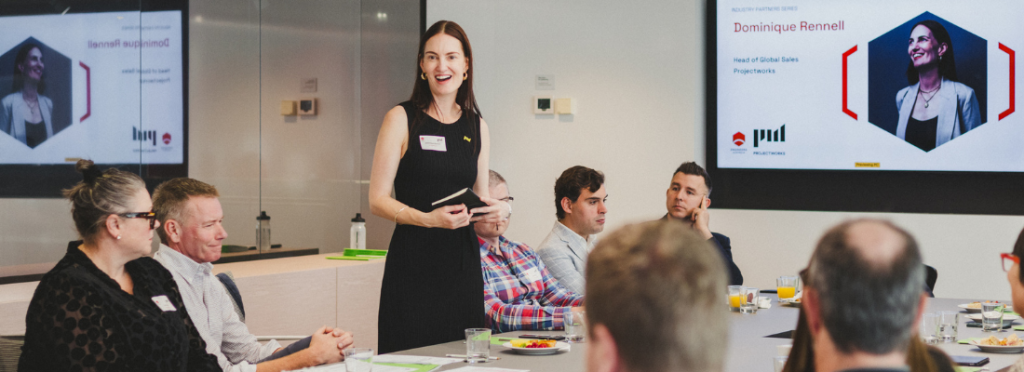
We’ve seen the headlines – shrinking pipelines, layoffs and a relentless focus on survival. Yet, as green shoots begin to appear, a crucial question emerges: how can Aotearoa’s engineering firms pivot from surviving to thriving once again?
How SMEs can adapt to a changing workforce – with HainesAttract

The workforce is changing – are you ready?
Although the recent slowdown in recruitment might be masking it, New Zealand’s engineering sector is in the middle of a massive shift. With an ageing workforce, increasing global competition for skilled talent, and changing candidate expectations, HainesAttract says SMEs can’t afford to keep doing what they’ve always done.
When the market picks up again and tenders are won, work starts to build and talent is needed, it says the old “post and pray” approach to sourcing will no longer cut it. However, the good news is that there are practical, low-cost ways SMEs can stay competitive and attract the right people.
We asked HainesAttract Lead Consultant Carly Ford to explain what’s happening in the current market and how SMEs can prepare now for when the tide turns.
The Australian migration – why relocating may not leave you better off

Australia is often perceived as providing financial gains for construction and infrastructure workers. However, new research commissioned by Waihanga Ara Rau, the Workforce Development Council for Construction and Infrastructure, may challenge this long-held belief and motivate employers and recruiters to set the record straight to aid employee retention and encourage the return of those living abroad.
Is the grass really greener? carried out by Allen + Clarke and combining quantitative analysis and interviews with returning workers, offers a detailed comparison of key factors influencing relocation decisions, including income levels, housing affordability, and cost of living. It found shrinking income disparities, higher taxes, and soaring house prices are making Australia a less attractive destination for many Kiwi workers looking to relocate.
We asked Waihanga Ara Rau about these surprising findings and how our industry could use them to its advantage.
Navigating climate risk with AECOM
As the effects of our changing climate become ever more present, the demand for AECOM’s services in climate risk work is increasing.
The infrastructure consulting company’s global experience in climate risk includes technical thinking, establishing methodology, and understanding the issues, and applying this to various projects. Knowledge gained from each project is fed back into the chain of understanding to foster a continual two-way feed of learning.
AECOM recently localised this international experience when working with the Lyttelton Port Company (LPC). We spoke with AECOM Associate Director – Practice Lead Sustainability and Resilience in New Zealand Anthony Hume about how LPC tackled its own climate change risk assessment during this project.
Global insurance trends for 2024 and beyond
As an international insurance broker, Aon sees an increasingly interconnected and complex risk landscape continuing to shape organisational risk management strategies and the risk capital market response.
We asked Sam Ketley, Head of Enterprise Risk Solutions at Aon New Zealand, to look back at some of the key takeaways from 2023 and what to expect from 2024 and beyond.
Innovation issues affecting the insurance industry
The innovation environment is in constant motion. We asked Sam Ketley, Head of Enterprise Risk Solutions at Aon New Zealand, to share a few innovation matters currently affecting the insurance industry.
Preparing for a digitally enabled future – The Bat Phone

Digital and engineering worlds meld seamlessly with the Bat Phone, a device developed by Tonkin + Taylor to enhance monitoring of New Zealand’s critically endangered bats (pekepeka).
The innovative use of this device, which received funding support from the company’s DreamLab innovation programme, exemplifies the complementary nature of digitisation to the wider Tonkin + Taylor business.
Group Innovation Programme Director and Technical Director Digital Innovation David Wyllie tells us how the Bat Phone came about and why the knowledge-based company is becoming increasingly digitally enabled.
Collaboration and procurement excellence – State Highway 25A Taparahi slip remediation

When State Highway 25A between Kōpū and Hikuai on the Coromandel gave way in January 2023 following heavy rain, the road to recovery commenced. Less than 12 months later, this section of the highway, including the new Taparahi Bridge, reopened, reconnecting isolated communities and putting the area back on the tourism trail.
The project’s accelerated completion has been lauded as an example of effective collaboration among different companies across the infrastructure industry combined with a procurement model that supported the clearly communicated goal of reopening the road as fast as possible.
We asked Tonkin + Taylor Principal Consultant Chris Bauld, whose responsibilities included project director and design manager, and geotechnical drainage, why this project was so successful.
Professional indemnity insurance – top five contract issues requiring caution

A well-written contract signed and agreed by the parties involved can be your first (and last) line of defence in mitigating disputes.
Aon Liability Manager – Professional Risks Kristene Crook says Aon has seen liability claims fall away or settle for well below the disputed amount based on the strength of the contract. She says industry standard is best (ACENZ, NZS3910, NZIA, etc) when writing a contract because it is widely accepted as insurable by the insurance market. Caution is required if a client insists on special conditions or bespoke contract terms.
We asked Kristene to tell us the top five contract issues that companies should be wary of when looking at professional indemnity insurance.