How can we win new business in a tight market? What’s the best way to attract and retain top talent? How can we keep up with the pace of change? And how can we do more with the resources we’ve got?
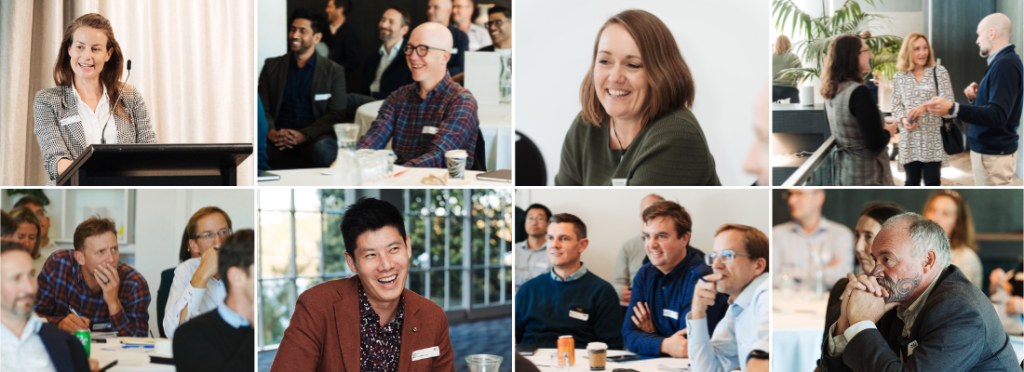
The ACE New Zealand SME Summit in Auckland on 13 May asked some big questions and our presenters delivered a programme grounded in practical advice, shared experience and forward thinking.
A clear message came through from the presentations and discussions: we need to be deliberate about how we lead our people, grow our businesses and adapt to change.

Adopt an “explorer mindset” and ask better questions
Opening the summit, innovation specialist Joe Davis challenged us to rethink how we see change. While people naturally understand steady, linear progress, the reality is that many forces shaping business today – such as technology and connectivity – are accelerating at an exponential pace.
For SME leaders, this means that waiting for certainty is no longer an option. Instead, Joe encouraged us to build an “explorer mindset” by asking better questions, staying curious, and giving ourselves and our teams permission to experiment.
Scale your business without adding headcount
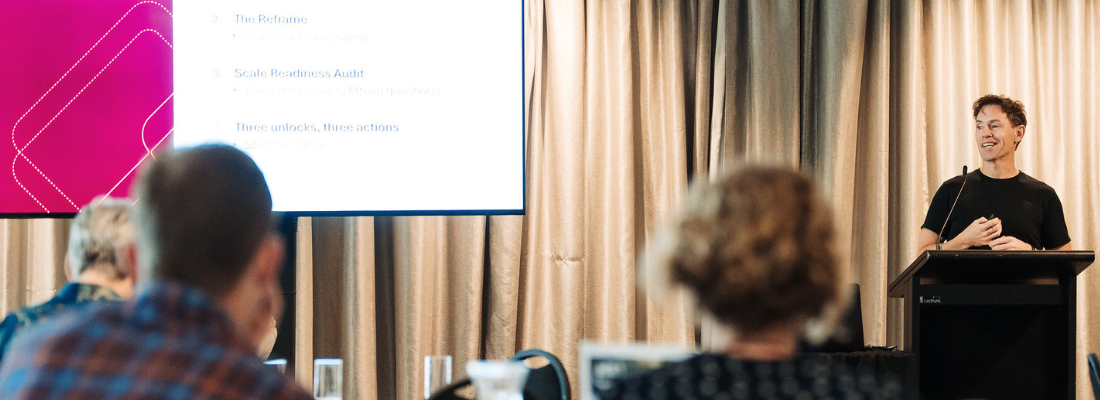
Scott Bampton from Total Synergy stressed that you don’t have to be in a growth phase to scale your business. If you spend some time looking inwards, could you simply do more with what you have?
He said business leaders often work too hard and fast to take stock of what’s happening inside the organisation. But he gave us three simple places to start: Do you know your numbers? Is your process in your systems or in your head? Are you priced and invoiced for resilience?

Foster wellbeing to become an employer of choice
Lars Bojsen-Moller from First Capital Financial Services shared strategies to help leaders build a culture that attracts and retains top talent. He spoke about how employee benefits can be a powerful tool to foster wellbeing while enhancing business outcomes.
He urged us to measure employee wellbeing and use those findings to make informed decisions about benefits that adapt to changing workforce needs and foster open communication.
All top tips for those who want to become an employer of choice.

Ensure you’re covered if things go wrong
Rebecca Moller from Gallagher Insurance shared expert advice about the importance of professional indemnity insurance – because we all make mistakes and need a policy in place for protection.
She explained key aspects of cover, clarified important terms, and shared practical tips to help us better understand policies and identify areas for improvement.
Her top tip – renew indemnity insurance policies annually and ask brokers questions to better understand the details. It’s expensive and it’s important that you understand what you’re buying.
‘Bring the hustle’ to win new business
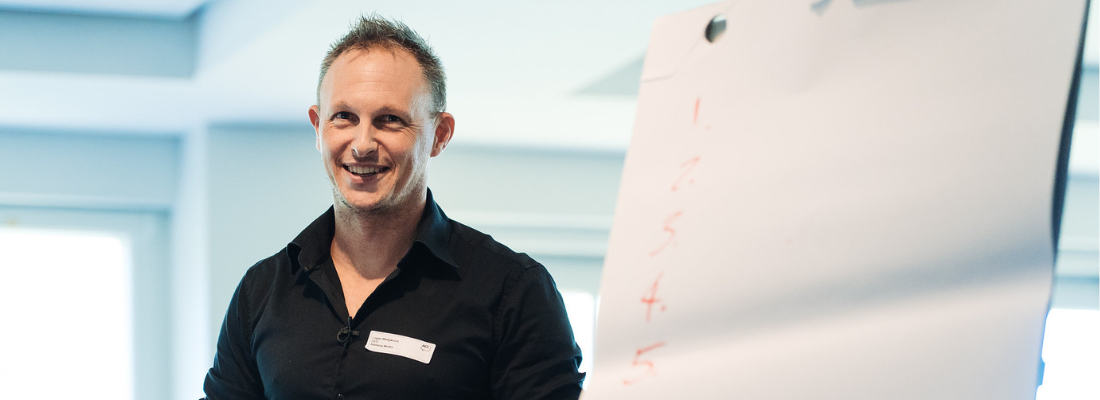
In tough economic times, new business isn’t won through good intentions alone — it’s earned by putting in the work. Logan Wedgwood from Advisory.Works delivered a practical, hard‑hitting session where he shared the sales process that changed his life.
His message was clear: don’t be in a hurry to sell, but do be in a hurry to open a relationship. Stay in control of the process, be deliberate and consistent in your actions, ask the right questions, and always come prepared.
In Logan’s words, “Bring the hustle forward.”
Turn people insight into business strength
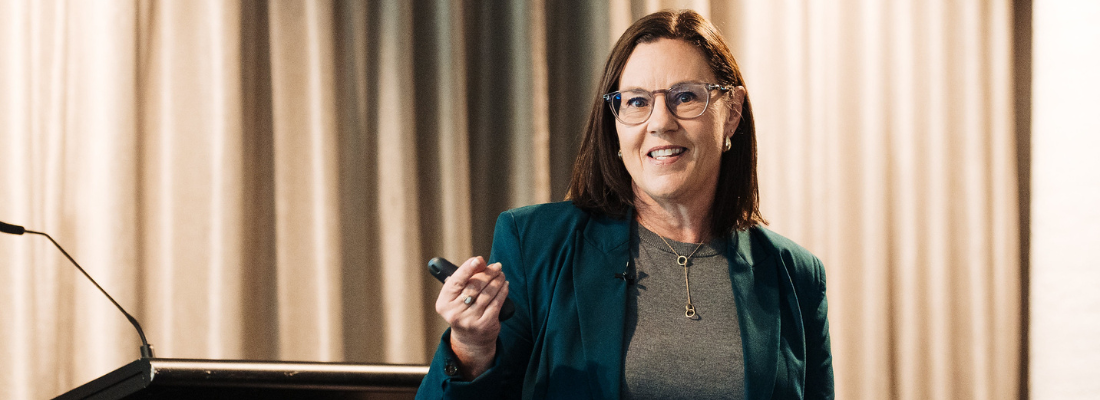
Stephanie McKee Wright from Epic People emphasised the importance of “employee listening” as a foundation for better hiring and retention decisions. Rather than treating recruitment as a transactional process, she encouraged us to build cultures where people feel heard, understood and supported.
Her message was simple but powerful: engagement happens one person at a time. By understanding individuals and staying closely connected to your teams, leaders can create environments where people are more likely to stay, contribute and thrive.

Embedding AI is a leadership job
Cowan Henderson from Avocado AI emphasised that weaving AI into everyday work so it truly sticks is ultimately a culture job. That starts with leaders who are willing to be visible — openly talking about their own use of AI and showing what good looks like. It also means involving your team rather than dropping in a solution from above; people need the chance to contribute and shape how AI shows up in their work.
Cowan explained that a healthy AI culture encourages play, giving people room to experiment with tools that spark innovation and discovery. It requires investment in training so teams can build practical AI literacy, and it benefits from integrating AI into daily routines — even something as simple as spending five minutes at the end of a meeting asking, “How could AI help us solve this problem?” And underpinning it all are strong safety guardrails, from policy and training to data security.

Have difficult conversations early to manage disputes
Conflict is inevitable in business. What matters most is how leaders respond when delivery, commercial, or contractual pressures begin to strain long-term relationships.
John Green, Director of the New Zealand International Arbitration Centre, shared a valuable leadership lesson: there’s a real difference between managing a dispute and leading through one. He said the key is to spot issues early – have the difficult conversations and handle them thoughtfully, with structure and discipline.

Use storytelling to leave a lasting impression with clients
What’s the secret sauce to winning more business in a tight market? Sales, communication and – most importantly – storytelling, according to Jo Mackie from Height.
She explained how storytelling creates emotional connection, using narratives that resonate and leave a lasting impression. It starts with truly understanding your customer – who they are and where they spend their time. From there, you need clarity about what your organisation stands for, including your purpose and values. With that foundation in place, you can build a plan for the stories you want to tell and the channels you’ll use to share them, whether that’s LinkedIn posts, newsletters or even award entries.
It was a practical, energising session that sparked plenty of ideas.
Leading today, building tomorrow
The theme of the day – leadership that drives impact today and shapes success tomorrow – was visible in every session. From people and culture, to technology, to client relationships and growth, the emphasis was on being intentional, practical and forward-looking.
The SME Summit reinforced the value of coming together as a sector. In a time when many businesses are navigating uncertainty, the opportunity to share ideas, test our thinking and learn from peers remains one of the most powerful tools available.
The challenge now is to take these insights and apply them – turning conversations into action, and ideas into impact.