Company: Stantec New Zealand 

Job title: Director Advisory Services, Asia Pacific 

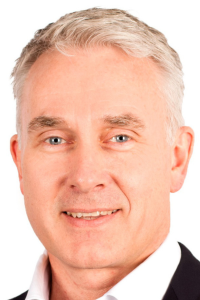
White male, grey hair, blue eyes, headshot, smiling, suit.About Roger 

I am a sense-making strategist, and a collaborative futures team builder who honed my consulting leadership across multiple nations.  

Following a Master of Engineering degree from Caltech and a Doctorate from the University of Canterbury, my consulting career was initially focused on dams, which morphed into risk management and led me into management consulting.  

I have spent my career navigating complex challenges and building teams to deliver transformative projects in New Zealand, Australia, North America and the Middle East. I am currently Director Advisory Services, Asia Pacific, for Stantec, leading teams to respond to evolving client needs, shaping innovative local solutions while leveraging global expertise. Prior to my current role, I was Managing Director for Stantec in New Zealand.  

I am passionate about consulting, and the role consultants play to solve pressing societal problems. I am most at home facilitating teams to solve complex problems and leading conversations rich in insight and purposeful action. I am committed to honouring and growing people within the work environment and within communities, as a long-term supporter of several indigenous not-for-profit organisations and a former board member for Prison Network in Melbourne Australia.  

I am married to Joanna and have two adult daughters. 

Pepeha or whakapapa/family history 

I am first generation Kiwi, born in the north and raised in the south, with both parents born in the Netherlands. My wife whakapapa’s to Scotland and Ngāti Porou. We have two grown daughters, Zeniya and Te Awhina Ora, both living in Aotearoa New Zealand. On our return after more than 20 years away from New Zealand, we have settled in the Whakatū region of Te Tau Ihu. My simplified pepeha is shared below.  

Ko Tu ao Wharepapa tōku maunga, Ko Riuwaka tōku awa  

Nō Netera ōku tipuna, Nō Mapua ahau  

Ko Roger Vreugdenhil tōku ingoa 

What strengths would you bring to the ACE Board?   

Strengths that I would bring to the ACE New Zealand Board include:  

  • Local and global experience – I have a depth and breadth of consulting experience, locally and globally, including executive and board leadership experience in multiple countries and teams;  
  • Strategic and visionary thinking – I think from a systems perspective, with a deep understanding of organisational sense making and strategy formation;  
  • Collaborative change leadership – I have a deep understanding of group dynamics and how less rational factors impact how people work and what can be achieved. I am able to challenge and build consensus; 
  • An innovative consulting toolkit – my experience integrates multiple knowledges and disciplines, and I am a skilled facilitator of groups and transformations. 


The above strengths reside within my fundamental commitment to honouring people and organisations, and growing them within a mana-enhancing kaupapa. 

What is your strategic vision for ACE New Zealand?   

ACE is committed to elevate the voices, expertise and readiness of New Zealand consultants in the built and natural environment through advocacy, empowerment and leadership. My strategic vision for ACE New Zealand builds on this mission across three fronts:  

  • Amplify investment in Aotearoatanga through impactful advocacy on key issues relating to New Zealand’s future, and how consulting voices and services can be leveraged towards describing and reaching that desired future;  
  • Widen the ACE net through new partnerships and collaborations, including with strategic consultancies and academic institutions, to broaden the thinking and potential alliances for ACE member organisations; 
  • Raise our collective consulting acumen to equip consultants with social and technical frameworks, acknowledging that all work is about change and that organisations don’t change, people do. 

What does diversity and inclusion mean to you? 

I view diversity and inclusion as an invitation to understand the uniqueness of individuals and accommodate expressions of uniqueness within workplaces to foster belonging and contribution to the collective.  

Diversity and inclusion initiatives must be genuinely integrated into organisations and not treated as token compliance projects. Part of that genuine integration requires deep work to understand bias and to foster a culture of curiosity about others, and to overtly seed difference into teams to leverage diverse perspectives and generate value through difference. I have served as part of the Stantec Asia Pacific Inclusion, Diversity and Equity Council for many years, and understand the importance of these related initiatives to workplace and sector wellbeing and productivity.  

As a leader, I understand the importance of executive sponsorship and championing of those who are less likely to be seen and heard in the workplace. 

Leave a Reply

Your email address will not be published. Required fields are marked *

Hit enter to search or ESC to close